inquiry
Leave Your Message

Blog

How to Choose the Right Steel Castings Supplier?

How to Choose the Right Steel Castings Supplier?

Picking the right supplier for steel castings? It's not just a purchasing detail. It affects how long your equipment lasts, how steady your production runs, and what your total operating cost looks like over time. A casting can look perfectly fine on the outside, but hidden porosity may still cause it to fail under repeated loads. That's a real risk in agricultural machinery, mining equipment, energy systems, and heavy transport. For context, the World Steel Association put global crude steel production at about 1.89 billion tonnes in 2023. That number says a lot about steel's ongoing industrial importance. But here's the catch: raw steel volume doesn't prove a foundry actually knows what it's doing. Grand View Research points to rising demand for durable metal components across transportation, construction, and industrial machinery. So buyers should look hard at process control—not just price. Ask for material certificates, dimensional inspection records, heat-treatment data, and traceability from melt to shipment. In other words, request evidence. An experienced supplier should be able to walk you through their melting furnaces, molding methods, machining capacity, and non-destructive testing procedures. ISO 9001 certification is a good sign for quality management, but it's not enough on its own. ASTM, EN, or customer-specific standards need to match the part's actual application. A serious supplier can talk about tensile strength, hardness, fatigue exposure, and surface defects in practical terms—not just vague sales language. They should also give you realistic tolerance limits and corrective-action reports. Searches like Custom Agricultural Machinery Part Investment Castings Suppliers Custom Agricultural Machinery Part Investment Castings Factory might help you find specialized manufacturers. Still, showing up in search results isn't technical proof. Review sample castings, audit production areas, and compare delivery performance. A good supplier should welcome reasonable questions. No supplier is perfect, of course. Even strong foundries can run into scrap, tooling changes, or delayed shipments. The real key is transparent communication, documented controls, and a measurable improvement process. This guide explains how to assess supplier experience, technical reliability, production capacity, and long-term value before you place an order.
Read more »
Oliver By:Oliver - October 8, 2026
What Are Cast Steel Parts Used For?

What Are Cast Steel Parts Used For?

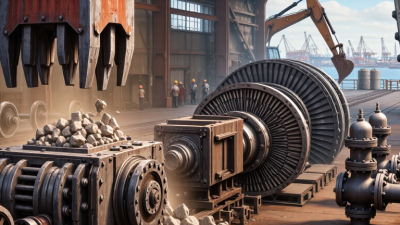
Looking into Cast Steel Parts, you’ll find they’re what many heavy-duty systems rely on—especially when strength, heat resistance, and keeping accurate dimensions matter big time. You’ll see them in mining crushers, railway wheels, power plants, construction machinery, valves, and even on ships. What’s cool is that unlike many parts you have to weld together, castings can shape thick sections and complex designs all in one go. That kind of flexibility is a real plus, cutting down on the need for welding. But hey, it’s not all perfect—inspection still has its challenges. And if you look at industry data, it’s pretty clear why this stuff doesn’t go out of style. In 2023, the World Steel Association reported the global crude steel production hit about 1.89 billion metric tonnes. Now, that number doesn’t directly tell you how much is cast steel, but it does show just how huge the whole industrial material pool is. Plus, market research from Grand View Research points out that metal casting remains a big player worldwide, fueling industries like infrastructure, auto manufacturing, energy, and heavy equipment. Standards organizations like ASTM International set out specs—think ASTM A216 and ASTM A352—that define what’s expected from various cast steel grades, especially for stuff under pressure. These standards help engineers compare things like chemistry, tensile strength, impact resistance, and how the material reacts to heat treatment. In day-to-day manufacturing, it’s not just about making something that fits; it’s about making sure it can handle real-world conditions. For example, a pump casing faces pressure, vibration, and corrosive fluids on the regular. A crusher part might take repeated hits from rocks. Choosing the right material isn’t just about picking the strongest grade—you’ve got to match it to the actual load, temperature, wear, and maintenance plan. Sometimes, going for the toughest option can cost more or make machining trickier. That’s why foundries rely on tight process controls, ultrasonic testing, radiography, and keeping detailed heat records. Still, no process is perfect—porosity, shrinkage, and residual stresses can hide out if you don’t keep a disciplined eye on inspection. This article dives into where Cast Steel Parts are used these days and why engineers keep choosing them, even with some of those imperfections in mind.
Read more »
Oliver By:Oliver - October 4, 2026
7 Tips for Choosing the Right Casting Component?

7 Tips for Choosing the Right Casting Component?

Picking the right Casting Component isn’t just about making a quick purchase — it’s a real engineering call. It can have a big impact on the strength, how well it keeps its shape, how long it takes to machine, and what kind of maintenance it’ll need down the line. Even a tiny flaw near a mounting hole could turn into a costly disaster after thousands of cycles in operation. Been there, seen that. According to the American Foundry Society and the World Foundry Organization, they reported over 109 million metric tons of castings made worldwide in 2023 alone. That’s a HUGE number — and it shows how important this industry really is. But, it also brings up a challenge: suppliers and processes are all over the place. Material grade, casting method, wall thickness, surface finish — all of these things, plus inspection capabilities — have to match what the component will actually face in real-world conditions. A shiny sample? That’s not enough. You need to dig deeper. Experience is key here. Before you start comparing quotes, it’s smart to review drawings, load data, temperature ranges, corrosion risks, and tolerance specs. Just having an ISO 9001 badge? That’s helpful for process consistency, but it doesn’t automatically guarantee top-notch quality. Independent inspections, traceability records, and verified test results still matter a lot. This is often where things get a bit overly optimistic — assuming all is well just because paperwork looks good. Honestly, no checklist is perfect. And that’s okay. To get you started on the right foot, here are seven practical tips for picking a trustworthy Casting Component. They cover how to evaluate suppliers, understand materials, think practically about manufacturing, and check quality controls. Plus, they give you a little pause — ask yourself: is this component actually right for my needs, or am I just used to what’s familiar? That kind of questioning can save you from redesigns, production delays, and unexpected repairs in the field. Industry data can help guide your choices, but testing tailored to your specific application is just as vital. At the end of the day, good decision-making starts with solid evidence — not assumptions or guesswork.
Read more »
Ethan By:Ethan - September 30, 2026
China Top Steel Castings Manufacturers for Global Buyers

China Top Steel Castings Manufacturers for Global Buyers

When global buyers are on the hunt for a Chinese steel casting manufacturer, it’s important to remember that it’s not just about comparing prices. Things like the shape of the part, the alloy you need, how much you’re ordering, and how inspections are handled all play a big role in cost and delivery times. For example, a turbine housing with thick walls requires a completely different process compared to a small agricultural bracket. So, ask your potential supplier how they handle patterns, melting logs, dimensional checks, and defect reviews—rather than just focusing on whether they can hit a certain price point. Sure, knowing how big a company is can help get some context, but it doesn’t guarantee they’re capable of delivering top-quality work. According to the World Steel in Figures 2024 by the World Steel Association, China produced around 1,019 million tonnes of crude steel in 2023—that’s impressive, but it’s steelmaking in general, not necessarily casting output. Think of this number as background info; the real proof comes from inspecting samples, checking test reports, and talking to references about similar parts. Details really matter here—having a shiny brochure doesn’t cut it if you can’t trace the actual inspection records. This guide is aimed at helping international buyers understand what to look for in manufacturers, covering their processes, the types of products they focus on, and practical tips for sourcing. Sometimes, your search might include phrases like “Custom Agricultural Machinery Part Investment Castings Suppliers Custom Agricultural Machinery Part Investment Castings Factory”. While that’s useful for finding options, it shouldn’t be considered a mark of quality. Always double-check details like the casting method used, material specs, tolerances, and how clear communication will be. Keep in mind, even if two factories seem similar, capabilities can differ between plants or production runs—that’s worth a second look.
Read more »
Oliver By:Oliver - September 27, 2026
How to Source Industrial Castings Globally in 2026?

How to Source Industrial Castings Globally in 2026?

When it comes to sourcing industrial castings globally in 2026, it's not just about finding the lowest price anymore. Sure, cost still matters, but buyers will need to bring more to the table—think evidence, patience, and a good dose of technical judgment. For example, a casting might look fine after machining, but hidden porosity could pop up months down the line, especially on critical parts like flanges. That’s why qualifying your suppliers isn’t just a formality; it’s essential. John Campbell, the guy who wrote the Complete Casting Handbook, once said, “Castings are not made, they are grown.” And honestly, that still holds true today. Buyers should pay close attention to how each foundry manages mold filling, solidification, heat treatment, and maintaining dimensional stability. A proper evaluation involves checking material certificates, process records, non-destructive testing reports, and traceability from raw materials all the way to shipment. It’s also about making sure they can produce consistent results across different batches. Oh, and don’t just look at the quotes—they only tell part of the story. If you’re sourcing for things like industrial equipment castings, it’s smart to compare things like who owns the patterns, how long tooling takes, what their capacity for machining is, and how they handle inspections. Visiting places like Waupaca Foundry or Vesuvius can really shed light on the real operations—stuff they rarely show in brochures. Take a walk through the furnace area, ask how rejected parts are dealt with, and review radiographs, calibration logs, and records of any corrective actions taken. Looking ahead to 2026, regional resilience is going to matter even more. Shipping delays across the ocean, energy costs, or shifts in customer demand can shake up even the best low-cost sources pretty quickly. Having a second supplier or dual sourcing can help reduce risk, but it might also mean extra costs for qualification. No supplier scorecard is perfect—things might still slip through, like small process variations or delays in communication. So, a good approach is to validate your assumptions with pilot orders, independent inspections, and clear technical specs in your agreements. Remember, reliable sourcing isn’t just about one deal—it’s about creating a controlled learning process based on solid, measurable evidence.
Read more »
Ethan By:Ethan - September 22, 2026
7 Tips for Sourcing Quality Industrial Castings

7 Tips for Sourcing Quality Industrial Castings

When you're searching for reliable industrial castings, just comparing prices and delivery times isn't enough. Experienced buyers know to look behind the scenes—checking alloy certificates, pattern controls, melting logs, and inspection methods. Sometimes, a shiny sample can hide some inconsistent production details, so you gotta dig a little deeper. As casting expert John Campbell once put it, “Castings are not made; they are grown.” That means paying close attention to how the mold fills, how the metal solidifies, and how it cools down. A good supplier should be able to clearly explain these steps—don’t be shy about asking for process capability data, dimensional reports, or records of non-destructive testing. Check how they handle issues like porosity, inclusions, shrinkage, and surface cracks—because even tiny defects can turn into costly failures when they're inside pumps, valves, or heavy machinery. Of course, no checklist is ever perfect. But, here are seven practical tips to help you feel more confident when sourcing industrial equipment castings. These tips cover points like technical specs, supplier experience, material traceability, quality systems, sample approval, cost considerations, and good communication. If it’s possible, visit the foundry—pay attention to whether operators are recording furnace temperatures, protecting molds from moisture, and separating the accepted parts from the rejects. These little things say a lot more about how disciplined they are than any fancy sales pitch. That said, picking the right supplier is still about judgment. Just because a facility is big doesn’t mean they’re the best at technical support, and a cheaper quote might skip some crucial testing. Even trusted suppliers can slip up now and then. So, it’s smart to set clear, measurable criteria for acceptance and keep reviewing performance over time. Reliable sourcing isn’t just a one-off deal; it’s about building a relationship based on evidence, honest questions, and ongoing follow-up.
Read more »
Ethan By:Ethan - September 18, 2026
China Top 10 Casting Component Manufacturers?

China Top 10 Casting Component Manufacturers?

China’s casting industry plays a big role in supporting markets around the globe—think automotive, machinery, energy, construction, and industrial equipment. In this guide, I’ll introduce you to ten well-known Chinese manufacturers that deliver reliable casting components perfect for demanding applications. We picked these companies based on a bunch of practical factors—things like their experience in manufacturing, the types of materials they can handle, quality systems in place, their export track record, and how well they communicate technically. We also look at more hands-on details, such as mold design, melting control processes, machining accuracy, surface finishing, and records of inspections. It's crucial that good suppliers can clearly explain tolerances. They should also be ready to provide material certificates, dimensional reports, and traceability documents whenever needed. You'll find that some companies are big on sand casting, while others focus on investment casting, die casting, or ductile iron. Their workshops might feature automated molding lines, CNC machines, coordinate measuring machines, and specialized heat-treatment equipment. These little details really matter because a website can only tell you so much—ultimately, factory audits and sample testing are where you truly verify quality. Keep in mind, no single ranking is perfect. Public info can sometimes be outdated, incomplete, or tough to compare across different manufacturers. That’s something to be aware of. Before signing any contracts, it’s smart to double-check current certifications, machine capacity, lead times, minimum order sizes, and after-sales support. Communication is also a good indicator of reliability—especially when drawings change mid-project or if you spot defects during inspection. This overview is mainly aimed at engineers, procurement folks, and international buyers looking for qualified Chinese casting partners. We’re not just counting company size here; instead, we focus on solid evidence, process control, application know-how, and whether the manufacturer can consistently deliver good results—not just a one-off success.
Read more »
Sophia By:Sophia - September 14, 2026
China Top 10 Valve Parts Manufacturers in 2026?

China Top 10 Valve Parts Manufacturers in 2026?

China’s valve parts industry is stepping into 2026 with a lot more automation, tighter quality checks, and higher expectations from exports. In this guide, we look at ten well-known Chinese manufacturers that serve a range of markets—including industrial, energy, water, chemical, and processing equipment. We picked these companies based on several factors: their production capacity, how well they can track materials, machining precision, certification credentials, delivery track record, and after-sales support. R. W. Zappe, a respected author in valve engineering, often reminds us: “Choosing the right valve isn't just about size; it’s all about matching it to the actual service conditions.” And honestly, that same advice applies to valve parts too. Sure, a shiny stainless-steel ball, a perfectly cut stem, or a tough seat might look great when you inspect them. But true performance depends on things like pressure, temperature, what media they’re exposed to, how often they’re cycled, and the installation setup. The companies we’ve looked at include Jiangsu Shentong Valve, Neway Valve, SUFA Technology Industry, China Valves Technology, Zhejiang Bomin, Zhejiang Yuhuan CNC Machine Tool, Wenzhou Newsway Valve, Zhejiang Xinhai Valve Manufacturing, Kaifeng High-Pressure Valve, and Sichuan Zigong High-Pressure Valve. Each has its own strengths—some excel in forged parts, others focus on castings, sealing elements, actuators, or custom machining. Now, a quick heads-up — this isn’t a formal ranking. Public info can vary a lot between companies, and supplier performance can change pretty fast. Just because a factory has impressive equipment doesn’t mean they automatically keep documentation in check or do well with small batches. If you're planning big orders, it’s super important to double-check certificates, sample reports, dimension records, and recent customer reviews. The small details really do matter—like tiny tolerances on a stem that could mess up an entire production line. That’s why having a trustworthy shortlist is so crucial for making responsible buying decisions.
Read more »
Sophia By:Sophia - September 9, 2026
Top Tips for Sourcing Steel Precision Castings Effectively?

Top Tips for Sourcing Steel Precision Castings Effectively?

In today's super competitive world of manufacturing, finding and sourcing Steel Precision Castings the right way is more important than ever. I recently came across a report by Grand View Research saying that the global market for precision casting is expected to blow past $40 billion by 2025. That’s pretty huge, and it’s a clear sign that more industries—from aerospace to automotive to energy—are on the hunt for top-notch castings. All of this just highlights how crucial it is to have a solid strategy when it comes to sourcing these materials. Now, I get it—trying to really understand Steel Precision Castings can feel overwhelming. There’s so much to keep in mind—material qualities, casting techniques, supplier trustworthiness—you name it. I saw a recent survey from the American Foundry Society, and it said that about 58% of manufacturers are having a tough time finding suppliers that check both the quality and delivery boxes. That really shows how important it is for companies to take a hard look at their sourcing strategies and build strong supplier relationships. And here’s a little tip—many folks tend to focus mainly on cutting costs. But honestly, that often ends up being a mistake. Going too narrow on price can lead to poor casting quality, which then causes delays, rework, or even wasted materials. The key? Finding a good balance between cost, quality, and reliability. At the end of the day, these are the things that keep your business running smoothly in the long run. So, when it comes to sourcing Steel Precision Castings, taking the time to do your research and really evaluate your options isn’t just smart—it’s essential.
Read more »
Ethan By:Ethan - August 27, 2026