
 +86-18363688899



Investment Casting Vs Die Casting
At Weifang Junlong Machinery Co., Ltd., we understand that selecting the right metal casting process is crucial for businesses looking to optimize both quality and cost-efficiency. When considering options such as investment casting and die casting, it’s essential to weigh the benefits of each to determine which method best suits your project requirements. Investment casting, often referred to as precision casting, is celebrated for its ability to produce complex geometries with exceptional surface finishes and tight tolerances. This technique is particularly advantageous for industries requiring intricate components, where the minute details can make a significant difference. On the other hand, die casting excels in mass production scenarios, delivering high-volume outputs with speed and consistency. By comparing Investment Casting Vs Sand Casting, businesses can further explore the most cost-effective methods tailored to their specific needs, potentially leveraging the strengths of each process, At Weifang Junlong Machinery Co., Ltd., our expertise in both investment and die casting allows us to cater to a wide array of industries, including automotive, aerospace, and machinery. With state-of-the-art facilities designed to produce tool steel and die steel castings, we guarantee durability and performance for your applications. Understanding the nuances of each casting method empowers our clients to make informed decisions that enhance their production capabilities. Whether you require the precision of investment casting or the efficiency of die casting, our dedicated team is here to provide tailored solutions that meet the highest industry standards. Explore how our innovative casting techniques can transform your projects and drive your business forward


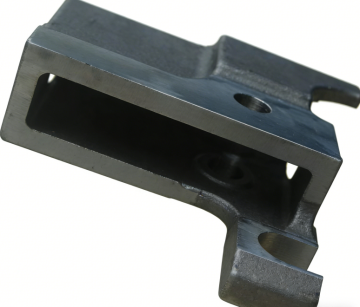
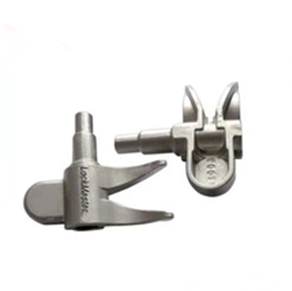
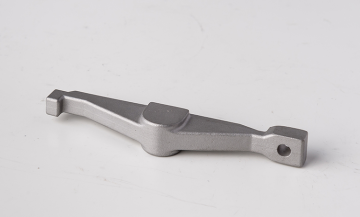
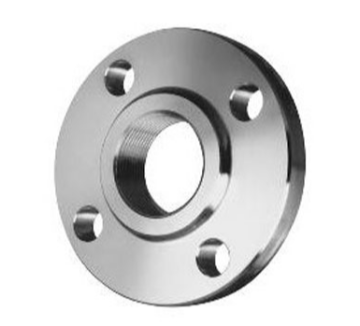
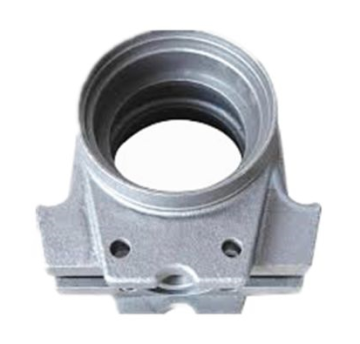
Excellence in Investment Casting Vs Die Casting Application Now Trending
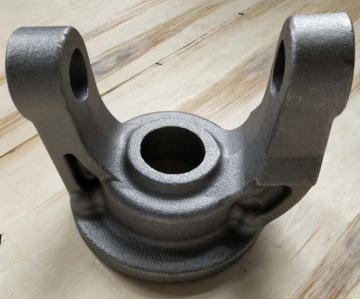
As the manufacturing industry evolves, the choice between investment casting and die casting becomes increasingly crucial for global buyers seeking high-quality components. Investment casting, particularly with materials like carbon steel, alloy steel, and stainless steel, offers exceptional precision and surface finish, making it ideal for intricate designs and complex geometries. The process involves creating a Wax Pattern Die Casting, which is then coated in a ceramic shell. Once the shell is hardened, the wax is melted away, leaving a cavity that can produce parts with superior detail and consistency.
Investment Casting Vacuum techniques further enhance this process, eliminating defects and ensuring a more reliable casting quality. These molds can achieve tolerances that die casting struggles to match, especially in high-stress applications. As industries demand lighter and stronger components, investment casting's ability to produce near-net shapes with minimal waste becomes a significant advantage. This combination of precision and material versatility positions investment casting as a leading choice for manufacturers aiming to stay ahead in a competitive landscape.
For procurement professionals, understanding these differences is vital for making informed sourcing decisions. While die casting may be suitable for high-volume production of simpler parts, investment casting's unique benefits make it the go-to option for complex and high-performance applications. As trends shift towards more bespoke solutions in manufacturing, the advantages of investment casting will likely continue to rise, driving demand in the global market.
Excellence in Investment Casting Vs Die Casting Application Now Trending
| Dimension | Investment Casting | Die Casting |
|---|---|---|
| Market Size (2023) | $16 Billion | $12 Billion |
| Projected CAGR (2024-2029) | 5.5% | 4.2% |
| Key Industries | Aerospace, Automotive | Automotive, Electronics |
| Material Versatility | High | Medium |
| Surface Finish Quality | High | Moderate |
| Production Volume Suitability | Low to Medium | High |
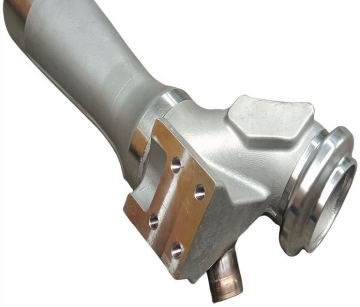
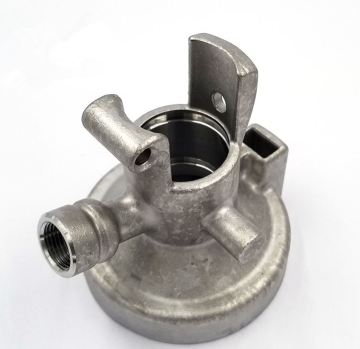
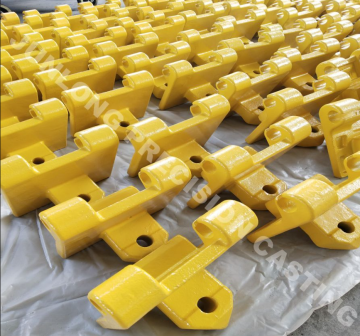
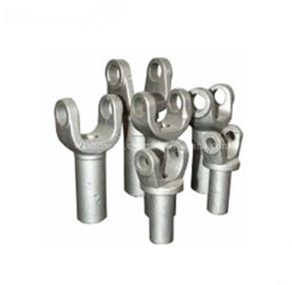
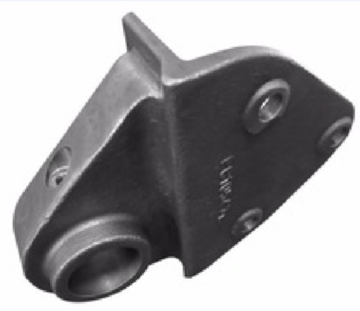
Trending Investment Casting Vs Die Casting Delivers Unmatched Quality Products
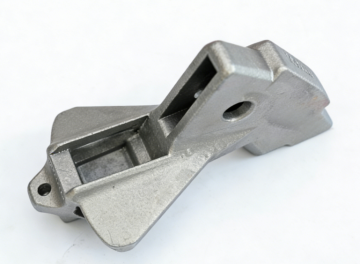
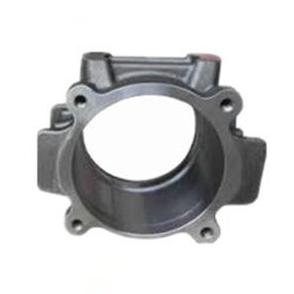



C
Charlotte Young
This item is built to last! The after-sales personnel are well-versed and offered great assistance.
24
December
2025
E
Ella Perez
Quality is impressive! The team was prompt, courteous, and genuinely interested in helping me.
27
January
2026
M
Mia Rodriguez
Excellent purchasing experience! The team was friendly and resolved all my questions quickly, showcasing their expertise.
10
December
2025
L
Lucas Wilson
Product quality is fantastic! The assistance I received from customer service was prompt and very helpful.
04
December
2025
S
Sofia Coleman
Highly impressed with the quality! The customer support team was swift and expertly handled my inquiries.
15
January
2026
A
Alice Jenkins
Quality exceeds expectations! The after-sales support was top-notch, with team members who truly care.
28
November
2025