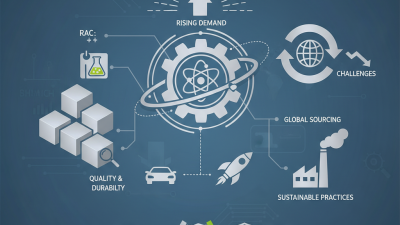
You know, the demand for high-quality Cast Steel Parts is really picking up across a bunch of different industries these days. I was reading a report from MarketsandMarkets, and it looks like the global cast steel market could hit around $4.9 billion by 2025 — that's pretty crazy! Mostly driven by the automotive and construction sectors, if you ask me. It just shows how important it is to find reliable suppliers who actually deliver top-notch products.
Big names like Thyssenkrupp and Koch Industries are definitely at the forefront right now, making some pretty durable cast steel parts. They’ve really set the bar high with their focus on innovation and quality. But, unfortunately, not every company’s on the same page — some cut corners trying to save a buck, which can really mess things up in terms of safety and performance.
What’s really needed here is a good balance between getting stuff done efficiently and making sure it’s high quality. Buyers should definitely dig into how suppliers make their products. Being transparent — like showing certifications and quality checks — is super important. In the end, making sure those Cast Steel Parts are up to par isn’t just about one order; it’s about building a reputation for long-term success, you know?
Understanding Cast Steel Parts and Their Applications
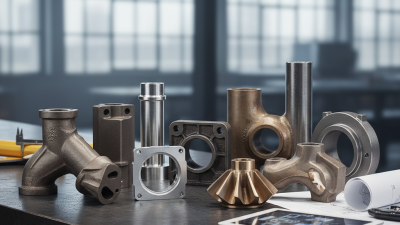
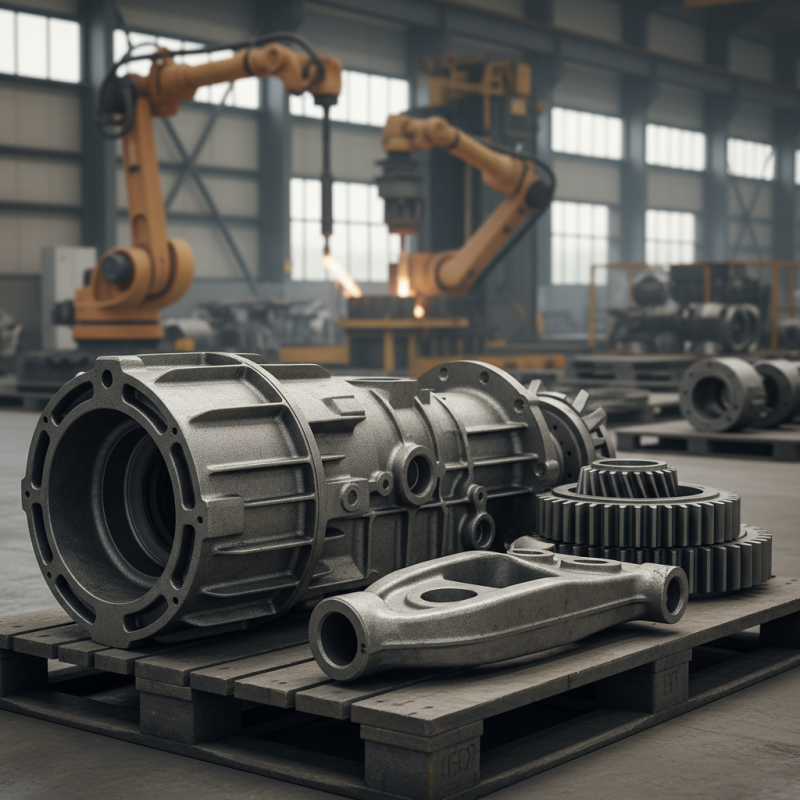
Cast steel parts are critical in various industries. They offer strength, durability, and versatility, making them suitable for numerous applications. From automotive components to heavy machinery, the use of cast steel enhances performance and longevity. Industries rely on high-quality cast parts for their structural integrity. The manufacturing process is intricate, requiring expertise to ensure precision.
Carbon Steel Cast Parts represent a significant category. They provide excellent tensile strength and resistance to wear. Despite their advantages, challenges can arise during production, such as defects in casting. These issues may lead to costly consequences down the line. It's essential for manufacturers to maintain stringent quality control measures throughout the process, as even minor imperfections can impact functionality.
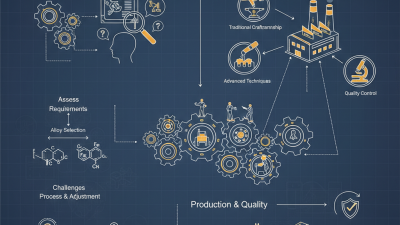
Understanding the nuances of cast steel parts is vital. Each application demands specific properties. Engineers must assess factors like stress and temperature. Customization is often necessary to meet unique requirements. While there is room for improvement in the casting process, ongoing advancements offer hope. Emphasizing education and collaboration within the industry can lead to better products and outcomes.
Key Characteristics of High-Quality Cast Steel Parts
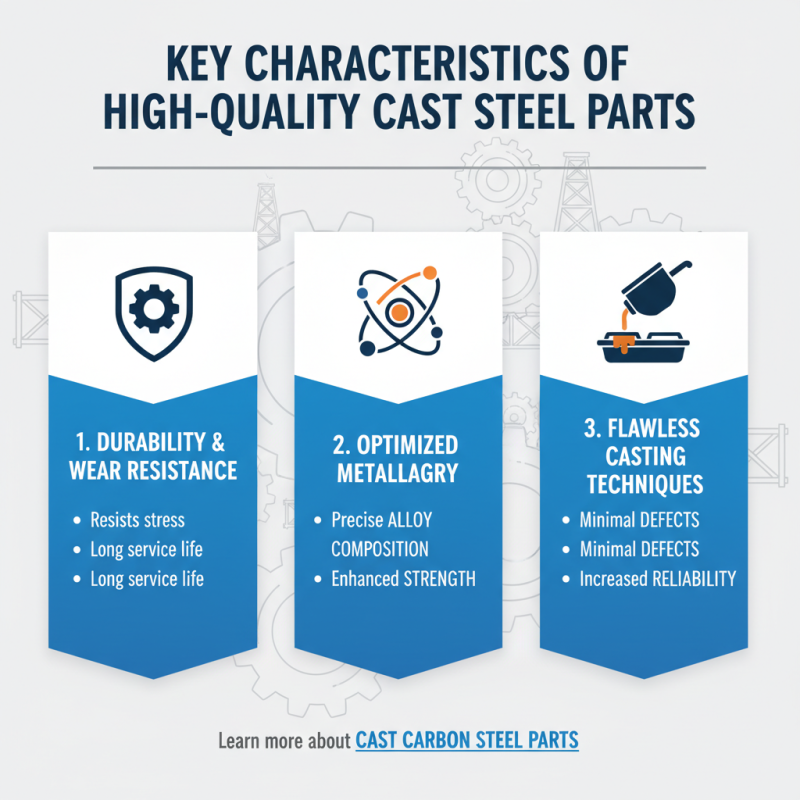
When evaluating high-quality cast steel parts, several key characteristics come into play. Durability is paramount. High-quality parts resist wear and stress over time. The metallurgy of the steel influences the final product's strength. Therefore, understanding the alloy composition is vital. Solid casting techniques ensure minimal defects, contributing to the overall reliability of cast carbon steel parts.
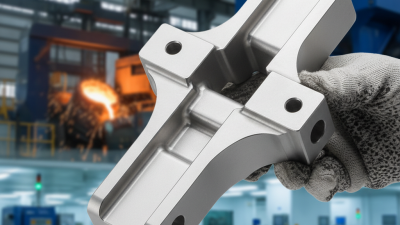
Surface finish is another essential factor. A well-finished surface reduces friction and enhances functionality. It is important to look for smooth and consistent surfaces when sourcing products. Engineers prefer parts that undergo stringent quality controls. This helps in minimizing unforeseen failures and improves lifetime performance.
However, not all suppliers maintain these standards. Some may prioritize cost over quality. This could result in compromised products. Asking for certifications and past performance data is crucial to avoid these pitfalls. Ultimately, quality assurance helps ensure that cast steel parts reliably serve their intended purposes in various applications.
Manufacturing Processes for Cast Steel Components
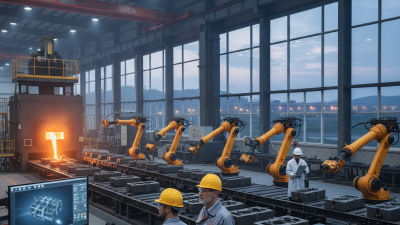
Manufacturing cast steel components involves several intricate processes. These parts are crucial for various industries, from automotive to construction. The process begins with melting high-quality steel in a furnace. Once the steel reaches the right temperature, it can be poured into molds. The choice of mold material affects the final product's quality.
After pouring, cooling occurs gradually. This can take several hours or even days, depending on the part's thickness. A crucial step is the inspection phase, where each piece is thoroughly examined for defects. This checks both physical properties and dimensional accuracy. While the focus remains on quality, human errors can creep in, such as incorrect temperature settings or material choices.
Machining is another vital process. It refines the cast steel to exact specifications. This includes milling, turning, or grinding to achieve desired tolerances. Not all parts come out perfect on the first try. Some may require rework or scrapping. This reality prompts constant evaluation of methods and materials to enhance efficiency and quality. Manufacturers must be proactive in addressing these issues to ensure their products meet global standards.
Top Quality Cast Steel Parts for Global Suppliers - Manufacturing Processes for Cast Steel Components
| Component Type |
Weight (kg) |
Material Grade |
Manufacturing Process |
Applications |
| Crankshaft |
50 |
AISI 1045 |
Casting |
Automotive Engines |
| Valve Body |
20 |
AISI 316 |
Investment Casting |
Pipelines |
| Gear Housing |
35 |
AISI 1020 |
Sand Casting |
Heavy Machinery |
| Pump Housing |
25 |
AISI 304 |
Die Casting |
Industrial Pumps |
| Structural Beam |
100 |
S235JR |
Steel Casting |
Construction |
Global Suppliers: Sourcing and Distribution Channels
Global suppliers play a crucial role in the sourcing and distribution of high-quality
Cast Metal Parts.
According to a 2021 report by MarketsandMarkets, the global cast metal parts market is projected to reach
$120 billion by 2026. This marks a compound annual growth rate (CAGR) of 5.4%.
Suppliers must navigate challenges in sourcing materials while ensuring they meet strict quality standards.
Distribution channels vary widely. Some suppliers focus on local markets, while others pursue international relationships.
The choice often impacts cost and availability. As logistics issues persist globally, suppliers may face delays.
This can affect the timely delivery of cast metal parts.
Moreover, some regions are more suitable for production than others due to labor costs and material availability.
For instance, regions with advanced manufacturing technologies offer better efficiencies.
However, this also raises questions about the sustainability of such practices.
It is essential for global suppliers to address these issues to enhance reliability and build stronger partnerships.
Quality Standards and Certifications for Cast Steel Products
Quality assurance is paramount for cast steel products. Various industrial sectors rely on these components. Therefore, adhering to strict quality standards is essential. Organizations must seek certifications that reflect commitment to excellence. ISO 9001 is one of the most recognized standards. It emphasizes a quality management system. Compliance with this standard often indicates a rigorous approach to production.
Moreover, the American Society for Testing and Materials (ASTM) sets recognized guidelines for materials. ASTM standards define specifications for various cast steels. They ensure that the material meets specific mechanical and chemical properties. A reliable supplier will have documentation verifying compliance with these standards. It reinforces trust among manufacturers and clients.
However, achieving certification is only the beginning. Companies must continually monitor and evaluate their processes. Regular audits and inspections are necessary. Some organizations might overlook this aspect. This oversight can lead to subpar products entering the market. It is crucial to remain committed to ongoing improvements. Establishing a culture of quality will enhance reliability in the long run.
Market Trends and Innovations in Cast Steel Manufacturing
The cast steel manufacturing industry is rapidly evolving. Innovations in materials and processes are changing how products are developed. Additive manufacturing, for example, is gaining traction. This technology allows for complex designs that were once impossible. It offers both efficiency and customization, appealing to suppliers worldwide.
Sustainability is another trend reshaping the market. Many manufacturers are focusing on reducing waste and energy consumption. Recycling cast steel is becoming more common, benefiting the environment. However, not all companies have embraced these changes. Some still rely on traditional methods, which may hinder their competitiveness.
Quality control remains a critical aspect of cast steel production. Advanced testing methods ensure that products meet strict standards. Yet, inconsistencies can arise during the manufacturing process. Continuous improvements are necessary to maintain high quality. Addressing these challenges will be fundamental to the industry's future success.
Challenges Faced by Suppliers in the Cast Steel Industry
The cast steel industry faces numerous challenges that threaten its stability and growth. Many suppliers grapple with fluctuating raw material prices. According to industry reports, steel prices have surged by over 30% in the past year. This volatility leads to uncertainty in pricing for end products, complicating supplier relationships.
Furthermore, the demand for high-quality cast parts, especially in Construction Machinery Cast Iron Parts, has increased significantly. With a growing global market, suppliers must adapt to evolving customer needs. Some companies struggle to innovate their manufacturing processes or invest in advanced technologies. This can result in potential setbacks that might limit their competitiveness.
Tips for suppliers include focusing on quality control. Adopting stringent testing methods can help ensure that parts meet industry standards. Emphasizing sustainable practices also attracts eco-conscious clients. Lastly, maintaining open communication with clients fosters trust and collaboration, critical in this challenging landscape. Suppliers should not underestimate the importance of agility in responding to market changes. Continuous evaluation of operational efficiency will play a key role in overcoming industry hurdles.
Innovative Applications and Benefits of Carbon Steel Investment Casting for Train Components
Carbon steel investment casting has emerged as a crucial technology in the development of train components. By utilizing advanced manufacturing processes, this method ensures the production of high-precision train parts that boast stable dimensions. The inherent properties of carbon steel contribute to components that exhibit excellent strength and wear resistance, making them ideal for the rigorous demands of railway applications.
One of the significant advantages of carbon steel investment casting is its ability to deliver reliable performance under challenging conditions. Components produced through this process are crafted from quality materials, adhering to stringent rail industry standards. This results in train parts that not only possess exceptional durability but also a prolonged service life, which is vital for ensuring the safety and efficiency of railway operations.
Moreover, the innovative applications of carbon steel investment casting extend beyond mere strength and precision. The versatility of this method allows for the creation of intricate designs that optimize the functionality of various train components. As the railway industry continues to evolve, the adoption of such advanced casting techniques will play a pivotal role in enhancing the overall performance and reliability of railway equipment.
FAQS
: Cast steel parts are used in various industries, including automotive and heavy machinery.
They offer strength and durability, enhancing performance and longevity of products.
Defects in casting can arise, leading to costly consequences later.
By maintaining stringent quality control measures throughout the manufacturing process.
Customization meets unique requirements for different applications, crucial for performance.
Manufacturers focus on reducing waste and recycling, which benefits the environment.
Innovations like additive manufacturing enable complex designs and customization.
Some companies rely on traditional methods, but they may hinder competitiveness.
Engineers should assess stress, temperature, and specific property requirements.
Continuous improvements and better collaboration can enhance quality control efforts.
Conclusion
Cast Steel Parts are essential components in various industrial applications due to their durability and strength. Understanding the manufacturing processes, key characteristics, and quality standards of high-quality cast steel parts is crucial for suppliers and manufacturers. These components are produced through advanced techniques that influence their mechanical properties and overall performance, ensuring they meet global market demands.
Global suppliers face challenges related to sourcing and distribution channels, alongside the need to adhere to stringent quality standards and certifications. As the cast steel industry evolves, market trends reveal innovations in manufacturing that enhance product quality and efficiency. By navigating these complexities, suppliers can better position themselves in the competitive landscape of cast steel parts, ultimately fostering growth and meeting the needs of various sectors.

 +86-18363688899
 Contact Phone
 Contact Email