When you're thinking about the best materials for manufacturing, Steel Casting Material really stands out. So many industries depend on precision and top-notch quality. As John Smith, a well-known expert in this field, often says, 'Picking the right supplier is absolutely crucial for any project.' This just goes to show how important it is to choose reputable factories, especially for custom OEM steel castings.
A custom OEM Steel Casting Factory can really make a difference by tailoring solutions to fit your specific project needs. Things like accuracy, durability, and cost—those are all super important. Take a factory like Superior Castings, for example—they’re experts at delivering high-quality steel castings. They recognize that using the right materials can totally boost your project's success.
But, here’s the thing—not every factory is up to par. Some might fall short on quality control, which can be risky, especially for projects where precision really matters. Looking back on past experiences, it’s pretty clear that quality can vary a lot between suppliers. And, honestly, in the rush to chase perfection, many companies overlook the value of exploring Diy Steel Casting projects. Building partnerships with skilled, trustworthy factories can open the door to some really innovative and successful solutions.
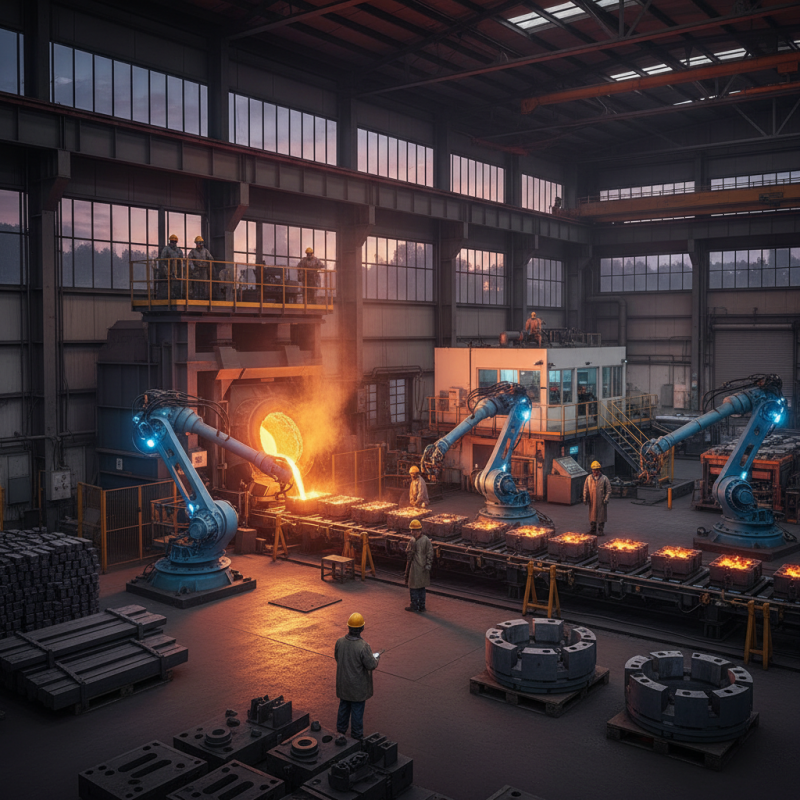
Advantages of Custom OEM Steel Casting Materials for Industrial Applications
Choosing custom OEM steel casting materials can significantly enhance industrial applications. The ability to tailor the materials to specific project requirements is a primary advantage. Custom casting allows for precise shapes and intricate designs. This level of customization can lead to improved operational efficiency and reduced production times.
Additionally, the quality of materials is crucial. Custom OEM factories often use high-grade steel, ensuring superior strength and durability. This can result in longer-lasting components, which translates to lower maintenance costs over time. However, it is essential to ensure that the suppliers meet quality standards. Not all factories maintain consistent quality control, which can lead to issues.
There are cost considerations too. Custom solutions might seem more expensive upfront. Yet, the investment often pays off through reduced waste and fewer replacements. Many businesses overlook this long-term perspective. Effective communication with manufacturers is vital for achieving the desired outcomes in custom designs. Clear specifications prevent misunderstandings and enhance satisfaction with the final product.
Advantages of Custom OEM Steel Casting Materials for Industrial Applications
Key Factors to Consider When Choosing an OEM Steel Casting Factory
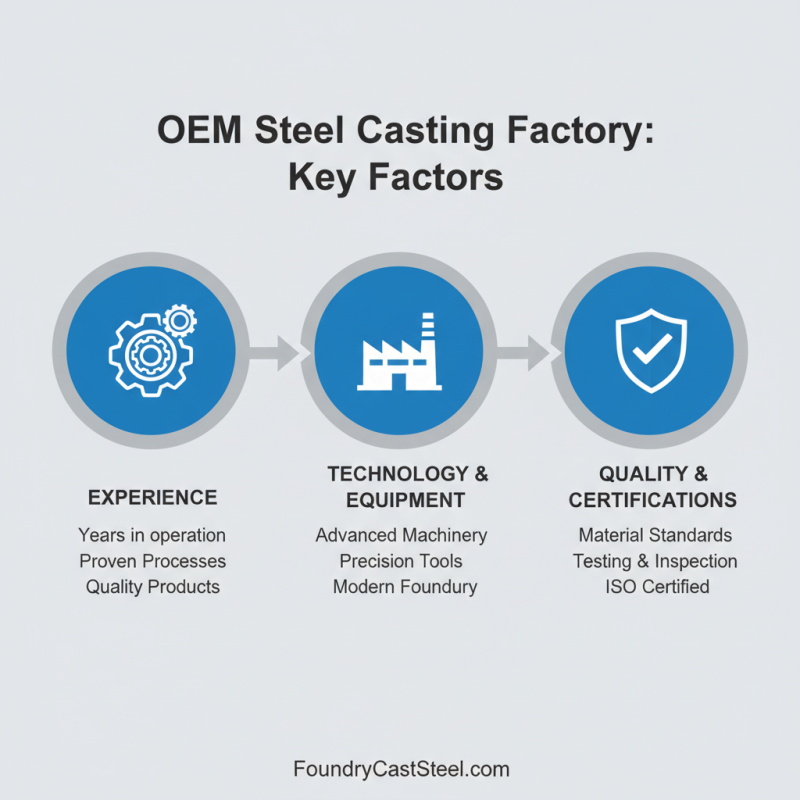
When selecting an OEM steel casting factory, several key factors come into play. One important aspect is the factory's experience. A factory with a solid background in Iron Steel Casting often has better processes in place. Look for facilities that have been operating for years. They tend to understand common challenges and can overcome them efficiently. This experience reflects in the quality of the products they deliver.
Another critical factor is technology. Factories that invest in modern equipment and techniques often produce superior results. Advanced technology can lead to less waste and improved precision. However, a factory relying solely on outdated methods may struggle with consistent quality. It's worth considering the factory's commitment to upgrading its equipment. Additionally, check for any certifications or quality control measures in place. These can provide insight into their production capabilities.
Lastly, consider communication and support. A responsive factory can facilitate smoother project management. If initial interactions raise communication issues, this might indicate potential problems down the line. Look for a factory that values transparency. This approach builds trust and makes collaboration more effective. Balancing all these factors ensures you choose an OEM steel casting factory that meets your project needs.
Comparative Analysis: Custom vs. Standard Steel Casting Solutions
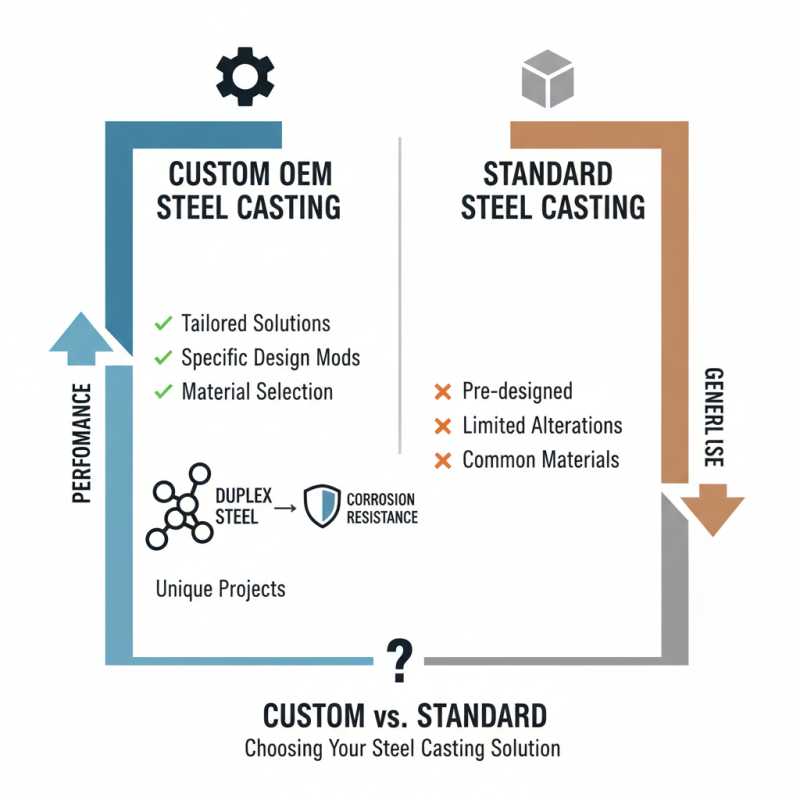
When choosing steel casting solutions, the decision often boils down to custom versus standard options. Custom OEM steel casting offers tailored solutions. This is particularly valuable for unique projects. It allows for specific design modifications and material selections. For instance, Duplex Steel Casting stands out for its excellent corrosion resistance. Such tailored properties can't always be achieved with standard solutions.
Standard steel casting typically caters to mass production needs. These are efficient for projects with common specifications. However, this can lead to limitations in design flexibility. Fewer customization options may restrict the functionality of your final product. Sometimes, the need for standard solutions can compromise performance. It can also result in longer lead times if modifications are later required.
In contrast, custom solutions often yield higher quality end products. But, they may require significant investment upfront. The balance of cost versus benefits needs careful consideration. One must reflect on specific project requirements. Standard solutions might seem cost-effective, yet, they may not always deliver superior results.
Quality Assurance Processes in Custom OEM Steel Casting Manufacturing
Quality assurance is key in custom OEM steel casting manufacturing. Factories utilize specific protocols to ensure high standards. They conduct rigorous inspections at various stages of the Steel Casting Process. Each piece goes through testing for strength and durability. However, not every factory meets these standards. Some may overlook minor flaws that can lead to bigger issues later.
Moreover, employee training is crucial for maintaining quality. Continuous education on the latest techniques enhances skill sets. Yet, not all workers receive updated training. Inconsistent skills among staff can result in quality variability. A factory’s culture impacts its attention to quality. Some places prioritize speed over thoroughness, which can compromise products.
Documentation also plays a vital role in quality assurance. Factories should maintain detailed records of each batch produced. This helps in tracing back any defects. However, paperwork can sometimes be incomplete or inaccurate. This lapses can hinder effective communication during production analysis. Overall, while many factories strive for excellence, some may fall short in the critical area of quality assurance.
Understanding the Cost Implications of Custom Steel Castings
When considering custom steel castings, cost implications play a critical role. Steel casting processes can be intricate and often require specialized labor. For example, producing Damascus Steel Casting typically involves multiple steps, including heating and forging. Each step adds to production costs. Managing these costs is essential for any project.
Moreover, the intricacies of custom design can lead to unexpected expenses. Custom molds and advanced designs require more resources. Sometimes, the desired design may not be feasible without adjustments. These adjustments can affect the budget significantly. It's crucial to assess all potential costs upfront. Understanding the full scope of your project will help mitigate these risks.
Additionally, choosing the right factory for your project can make a difference. Not all factories are equipped for custom designs, especially Damascus Steel Casting. A factory's expertise can directly impact the quality and cost of the final product. Selecting a factory with a proven track record can save time and money. Always remember, low initial quotes may hide future expenses. Being thorough in research can prevent complications later.
The Role of Design Flexibility in Custom Steel Casting Projects
Custom OEM steel casting offers significant design flexibility. This adaptability is critical for various industries. Designers can create unique shapes and sizes tailored to specific project requirements. The ability to modify designs ensures that every piece fits perfectly in its intended application.
In a rapidly changing market, flexibility drives innovation. Custom designs can respond to emerging trends and technologies. When projects require alterations, OEM factories can quickly adjust. This reduces lead times and enhances overall efficiency. However, not every factory can handle complex specifications. It’s important to assess capabilities before committing.
Understanding the limitations of certain manufacturing processes can lead to better outcomes. Some designs may not translate well into reality. It’s vital to communicate clearly with engineers and designers. Feedback loops can help refine designs. By embracing both creativity and practicality, stakeholders find solutions that meet their needs effectively.
Future Trends in Custom OEM Steel Casting Technologies and Practices
The landscape of custom OEM steel casting technologies is evolving rapidly. Advanced techniques are emerging, making production more efficient and precise. Automation and AI integration streamline processes, reducing lead times and costs. These technologies ensure higher accuracy in casting, leading to better quality products.
Sustainability is becoming crucial in casting practices. Manufacturers are increasingly adopting eco-friendly materials and methods. This shift reflects the industry's recognition of its environmental impact. However, some companies struggle to balance profit and sustainability. The transition requires investment and commitment.
Future trends may also include increased customization options. Clients desire unique specifications for their projects. While this focus on customization enhances client satisfaction, it can complicate production processes. A careful approach is essential to ensure quality and efficiency.
Why Choose Custom OEM Steel Casting Material Factories for Your Projects? - Future Trends in Custom OEM Steel Casting Technologies and Practices
| Dimension |
Value |
Trends |
| Material Type |
Carbon Steel |
Increasing use in automotive industries |
| Casting Method |
Sand Casting |
Advancements in rapid prototyping |
| Surface Finish |
Machined |
Increased demand for high precision components |
| Weight Range |
5 kg - 500 kg |
Flexibility in product offerings |
| Production Time |
4 - 12 weeks |
Automation leading to reduced lead times |
Analyzing Market Trends and Future Projections for Stainless Steel Automotive Components: Insights from the Latest Industry Reports
The automotive industry continues to evolve, heavily influenced by market trends and advancements in material technology. A significant area of focus is the increasing adoption of stainless steel components for automotive applications. Reports highlight that the global market for stainless steel components in vehicles is projected to grow at a CAGR of over 6% through the next decade. This surge is driven by an escalating demand for high-performance materials that can withstand extreme conditions.
Stainless steel, particularly grades 304, 316, and 400 series, is esteemed for its unparalleled combination of durability and resistance to corrosion. These precision-engineered parts are particularly well-suited for passenger vehicles as well as heavy-duty commercial trucks. For instance, the ability of stainless steel to endure harsh operating environments, including exposure to moisture, road salt, and chemicals, positions it as a superior choice for various applications such as exhaust systems, chassis components, and brackets.
Industry analysis suggests a shift towards lightweight materials without compromising strength, indicating that stainless steel will play a crucial role in the future of automotive engineering. As manufacturers increasingly emphasize sustainability and efficiency, the integration of stainless steel in vehicle designs not only meets performance requirements but also contributes to the longevity and reliability sought by consumers.
FAQS
: The content centers on providing helpful information regarding a specific topic.
Read through the details carefully. Identify the key points that apply to your situation.
Yes, there may be risks. Reflect on potential issues before proceeding with any actions.
It’s okay to feel confused. Take the time to review the material again or seek clarification.
Some preparation may be needed. Gather relevant resources or information in advance.
The information aims to be reliable. However, always consider verifying from multiple sources.
Evaluate the situation. Think about what went wrong and how to improve next time.
Follow trustworthy sources and engage with communities related to the topic. Feedback can also guide you.
Yes, discussing with others can provide new insights. Sometimes, different perspectives are necessary.
Overconfidence and lack of research are common pitfalls. Reflect on your approach periodically to avoid these.
Conclusion
Choosing custom OEM steel casting material factories for industrial projects offers numerous advantages, including tailored solutions that meet specific design and performance requirements. These manufacturers provide better quality assurance processes, ensuring that the steel casting material meets industry standards and customer specifications. Additionally, the flexibility in design allows for innovations that can enhance product functionality, setting custom solutions apart from standard options.
When selecting an OEM steel casting factory, key factors such as production capabilities, material quality, and cost implications should be carefully considered. The comparative analysis reveals that, while custom solutions may involve higher initial costs, the long-term benefits of durability and performance often justify the investment. As technology continues to evolve, future trends in custom steel casting practices are likely to focus on increased efficiency and sustainability, further enhancing the value of custom OEM steel casting materials in various industrial applications.

 +86-18363688899
 Contact Phone
 Contact Email