+86-18363688899


You know, the global demand for top-notch industrial solutions is really on the rise these days. One key part of many manufacturing processes is Carbon Alloy Castings. When companies want to streamline their production, they often look to trusted suppliers. But honestly, not every supplier is created equal—some deliver great quality, while others might fall short.
Lately, China has become quite a big player in the OEM scene. They've got a bunch of manufacturers specializing in Carbon Alloy Castings, blending modern tech with skilled craftsmanship. The products they offer usually meet really tough industry standards. Still, navigating this market isn't always a walk in the park. It’s super important to do your homework and choose your partners wisely.
A lot of companies have run into trouble when picking a casting supplier—issues like inconsistent quality or delays in delivery are pretty common. But if you do some thorough research and ask around for recommendations, you can find reliable partners. In the end, taking the time for proper due diligence can really pay off and help you secure quality Carbon Alloy Castings that stand the test of time in your industrial projects.
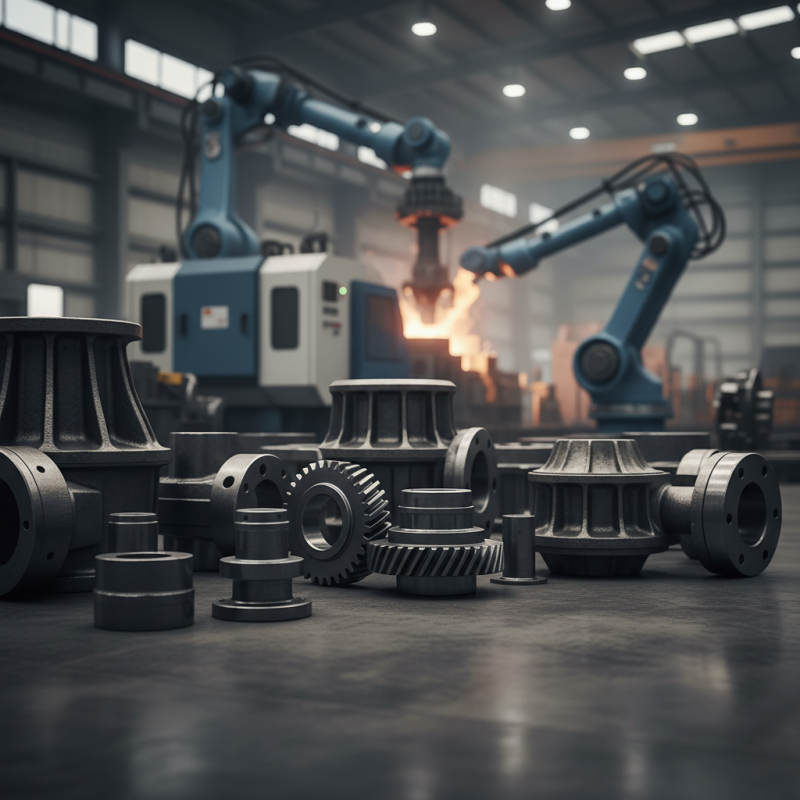
China has emerged as a powerful player in the OEM carbon alloy castings industry. The country supplies a significant portion of the global demand. As per the latest reports, China's castings market will reach over $75 billion by 2025. This growth is fueled by various sectors, particularly construction and automotive. This increasing demand highlights the potential of carbon alloy castings in industrial applications.
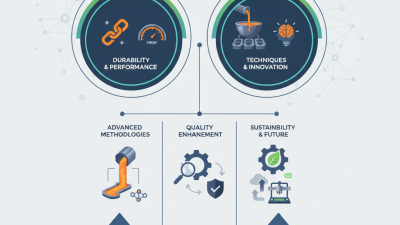
Chinese manufacturers excel in producing high-quality Alloy Steel Castings. Their innovative techniques enhance durability and performance. With a workforce skilled in metallurgy, these suppliers ensure precise production. However, there are challenges. Quality control remains a critical issue. Many manufacturers still struggle to meet international standards. Investing in technology and training is essential to overcome these hurdles.
Tip: When sourcing carbon alloy castings, opt for suppliers with proven track records. Check their certifications and past projects. Understanding a supplier’s capabilities can lead to better partnerships. Additionally, ensure the supplier has a robust inspection process to maintain quality.
Furthermore, it’s essential to remain conscious of market trends. Staying updated helps in making informed decisions. Suppliers who adapt to these trends are more likely to succeed. Emphasizing sustainability in production can also create a competitive edge.
| Supplier Location | Annual Production Capacity (Tons) | Material Composition (%) | Quality Certification | Lead Time (Weeks) |
|---|---|---|---|---|
| Shanghai | 5000 | Carbon: 0.15 - 0.25, Alloy: 1.5 - 3.0 | ISO 9001 | 6 |
| Beijing | 3500 | Carbon: 0.10 - 0.20, Alloy: 2.0 - 4.0 | ISO 14001 | 8 |
| Guangzhou | 6000 | Carbon: 0.20 - 0.30, Alloy: 1.0 - 2.5 | ISO 45001 | 5 |
| Tianjin | 7000 | Carbon: 0.15 - 0.25, Alloy: 1.5 - 3.5 | ISO 9001 | 7 |
Carbon alloy castings play a crucial role in various industries. They are known for their superior strength and durability. These castings are made from a mix of iron, carbon, and other alloying elements. This combination enhances their mechanical properties. According to a recent industry report, the carbon alloy materials market is expected to grow by 5% annually, driven by increased demand in construction and automotive sectors.
Applications of carbon alloy castings are vast. They are used in machinery, structural components, and automotive parts. The versatility of these castings allows them to withstand harsh conditions. Low Alloy Steel Castings, a subset of carbon alloy castings, offer excellent toughness and weldability. These features make them ideal for critical applications, such as pressure vessels and pipelines. However, achieving quality in manufacturing is a challenge. Factors like casting design and material selection directly influence performance.
The quality assurance process for carbon alloy castings requires attention to detail. Even minor defects can lead to significant failures in applications. Industry data highlights that 15% of castings fail due to poor quality control. Regular inspections and testing are essential. This underscores the importance of working with reliable suppliers who have a proven track record. Consistency in quality is not merely desirable; it is essential for safety and efficiency.
When selecting an OEM carbon alloy castings supplier in China, several key qualities should be prioritized. Reliability is paramount. A dependable supplier ensures consistent product quality, which is crucial for industrial applications. According to a 2023 market analysis, 72% of manufacturers highlight quality as their top requirement in supplier partnerships. This emphasizes the need for a rigorous quality assurance process.
Expertise in material properties is another vital aspect. A supplier's knowledge in producing High Alloy Steel Castings ensures they can meet specific industry demands. For instance, High Alloy Steel has superior resistance to wear and high-temperature applications, making it suitable for a variety of industrial uses. Reports illustrate that 65% of successful projects attribute their success to working with knowledgeable suppliers.
Communication and transparency also play significant roles. A responsive supplier provides timely updates and addresses concerns efficiently. This openness builds trust, essential for long-term cooperation. Yet, some suppliers fall short in this area, leading to misunderstandings and delayed project timelines. Industry data reveals that 30% of supply chain disruptions stem from poor communication practices, underscoring the importance of collaborating with suppliers who prioritize clear and consistent dialogue.
Carbon alloy castings play a crucial role in various industrial applications. These materials are known for their durability and strength. They are often used in manufacturing components that require high resistance to wear and tear. Evaluating the solutions offered by carbon alloy castings can reveal their vital role in the industrial sector.
One key factor to consider is the quality of the castings. Not all suppliers maintain the same standards. This discrepancy can greatly impact the performance and longevity of the finished products. Subpar castings may lead to frequent machinery breakdowns. Investing in higher-quality castings can result in long-term savings.
Tips: Always request detailed specifications before making a purchase. Understanding the material properties can help in selecting the right casting for your needs. Regularly review your supplier's certifications to ensure they meet industry standards. Tracking your casting performance can help identify trends and areas for improvement.
Moreover, the manufacturing process of carbon alloy castings can vary significantly. Some methods may produce better results than others. An in-depth evaluation can help identify the most reliable processes. Using well-established techniques can often yield more consistent quality.
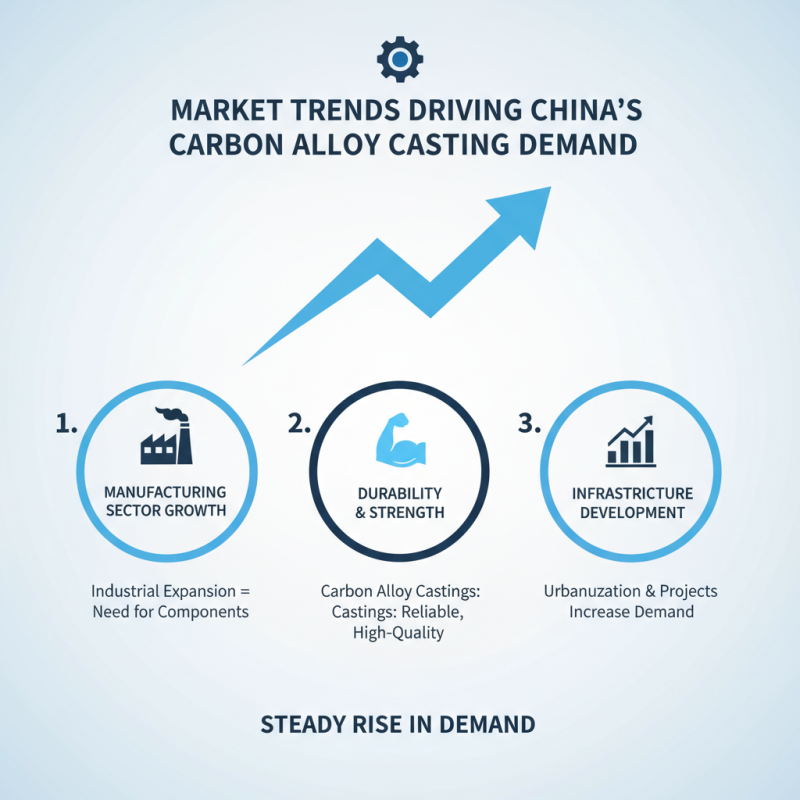
The demand for carbon alloy castings in China has been steadily rising. This is influenced by various market trends. One major factor is the growth of the manufacturing sector. As industries expand, they need reliable, high-quality components. Carbon alloy castings offer great durability and strength, making them a preferred choice.
Moreover, advancements in technology play a crucial role. New casting techniques enhance product quality and reduce waste. Sustainability concerns are also pushing manufacturers to seek more eco-friendly solutions. Companies are looking for partners who prioritize both efficiency and environmental impact.
Despite these positive trends, challenges remain. The market can be volatile, influenced by global economic conditions. Fluctuations in raw material prices also affect production costs. Manufacturers must stay adaptable to navigate these uncertainties while meeting client demands. This is an ongoing journey for many in the industry.
The casting industry faces numerous challenges that OEM suppliers must navigate. One significant hurdle is the increasing demand for customization. Clients often seek unique characteristics in their castings, which requires adaptable production processes and advanced technologies. This demand can strain production timelines and testing phases.
Quality control also presents an ongoing challenge. Ensuring that each casting meets stringent industry standards often involves multiple inspections and testing phases. This can be time-consuming and costly. Non-compliance can lead to waste and lost business opportunities. Establishing robust quality management systems is essential yet often underfunded.
Additionally, the supply chain's volatility impacts OEM suppliers heavily. Fluctuations in raw material prices and availability can disrupt production schedules. Suppliers must establish strong relationships with multiple sources to mitigate risks. Continuous evaluation of supplier performance is crucial yet often overlooked. This complexity adds another layer of uncertainty, making adaptability a key factor for success in this industry.
The future prospects for carbon alloy castings in industrial manufacturing appear bright, driven by the demand for enhanced performance and durability. Industry reports indicate that the global market for alloy castings is set to reach approximately $60 billion by 2027, with carbon alloy castings playing a crucial role. These materials are increasingly sought after for their strength and resistance to high temperatures and corrosion.
Heat-Resistant Alloy Castings are essential in sectors like aerospace and automotive. Their ability to withstand extreme conditions makes them ideal for engines and turbines. Manufacturers focus on developing advanced casting techniques to improve quality and precision. Innovations in metallurgy also enhance the properties of carbon alloys, leading to better performance in critical applications. However, challenges persist. Some manufacturers face difficulties in maintaining consistent quality levels during production processes.
Tips: Ensure thorough quality testing for all castings. Keep track of industry standards to maintain competitiveness.
The market shift towards sustainable manufacturing practices is also noteworthy. Companies are exploring eco-friendly materials and processes to reduce their carbon footprints. This shift requires a reevaluation of existing production methods. While many companies are making strides, the transition can prove complex and necessitates investment in research and development.
The market for 20Mn5 carbon steel investment casting is witnessing significant growth, driven by its exceptional mechanical properties, which include high toughness and impressive wear resistance. Recent industry reports highlight that the demand for precision-cast components, particularly in heavy-duty machinery and automotive applications, is projected to increase by approximately 8% annually over the next five years. This trend is largely attributed to the material’s ability to meet stringent performance requirements in environments demanding reliable load-bearing capabilities.
A closer look at the investment casting process reveals how it contributes to the outstanding qualities of 20Mn5 carbon steel components. The precision investment casting process allows for highly accurate dimensions and a stable structure, enhancing the overall integrity of the finished products. Industry analysts have observed that components manufactured through this method exhibit superior weldability, making them ideal for complex assemblies in various industrial applications.
According to a recent market forecast, the industrial components sector, particularly those involving high-stress applications, is set to be a major driver within this niche market. As manufacturers increasingly prioritize performance and durability, 20Mn5 carbon steel investment casting stands out as a critical solution, appealing to companies looking to optimize their equipment's efficiency and lifespan. With the ongoing shift towards advanced materials and manufacturing techniques, investment casting of 20Mn5 carbon steel is positioned to play a pivotal role in meeting future industry demands.
: Carbon alloy castings are made from iron, carbon, and alloying elements. They offer strength and durability.
Common applications include machinery, structural components, and automotive parts. They withstand harsh conditions well.
The market is expected to grow by 5% annually. Increased demand drives this growth in specific sectors.
Low alloy steel castings are a subset of carbon alloys. They are known for toughness and weldability.
Minor defects can lead to significant failures. Poor quality control causes around 15% of castings to fail.
The market is volatile, influenced by global conditions. Price fluctuations in raw materials can raise production costs.
New techniques enhance product quality and reduce waste. This benefits manufacturers and aligns with sustainability goals.
Working with reliable suppliers ensures consistency in quality. This is essential for safety and efficiency in applications.
The growth of the manufacturing sector is a major factor. Industries need durable, high-quality components.
Yes, many companies seek eco-friendly solutions. They look for partners who prioritize both efficiency and environmental impact.
China has established itself as a leading hub for OEM carbon alloy castings, providing essential industrial solutions across various sectors. Carbon alloy castings are crucial in manufacturing due to their durability and versatility, making them ideal for applications ranging from automotive components to machinery parts. A reliable OEM supplier in China demonstrates key qualities such as adherence to quality standards, innovation in production techniques, and a robust supply chain to meet increasing market demands.
As market trends evolve, the demand for carbon alloy castings continues to rise, driven by advancements in technology and industry-specific requirements. However, OEM suppliers in China face challenges such as fluctuating raw material prices and competitive pressures. Looking ahead, the future prospects for carbon alloy castings in industrial manufacturing appear promising, with continuous improvements in casting processes and an increased focus on sustainability driving the industry forward.