+86-18363688899


In the fast-changing world of manufacturing, Carbon Alloy Castings are really becoming a crucial part of many industries. Did you know that, according to a recent report from MarketsandMarkets, the global market for alloy castings is expected to hit around USD 108 billion by 2025? That’s a huge number and clearly shows how much demand there is. Because of this, it’s super important to find high-quality castings from trusted OEM factories. China, in particular, is well-known for its solid manufacturing scene and offers tons of options when it comes to Carbon Alloy Castings.
Companies like Foundry4U and Jiangsu Jinhong have a pretty wide range of alloy types, each with their own perks suited for different needs. But let’s be real— not all suppliers are created equal. Ensuring good quality and sticking to industry standards can be tricky, so picking a supplier with a solid reputation really matters. According to ISO data, having certification and compliance can seriously boost a factory’s reputation and reliability. So, it’s worth taking the time to really evaluate your options and make sure they match your quality expectations. After all, a little research can save you a lot of headaches down the line.
The carbon alloy castings market in China is pivotal for OEMs. These castings are used in various industries, including automotive and machinery. Understanding the specifications and benefits of carbon alloy castings can drive better investment decisions.
Carbon steel machinery investment casting is known for durability. This process allows for precise shapes and intricate designs. OEMs rely on the consistency offered by alloy steel mechanical parts casting. Each casting can contribute to improved performance and longevity of the final product. However, choosing a factory requires a deep understanding of its capabilities and quality assurance processes.
Some factories may lack the necessary certifications or expertise. This is where research becomes critical. You must ensure that the chosen factory meets industry standards. Not all factories have the same level of reliability. Thus, investigating past client relationships and product outcomes can provide valuable insights. The distinction between various suppliers can be subtle yet significant. Each decision impacts the overall quality of your supply chain.
When selecting a top carbon alloy castings manufacturer in China, understanding key features is vital. The best foundries often highlight their capabilities in precision and custom designs. They utilize advanced casting techniques and quality assurance systems. Reports indicate that around 80% of high-quality castings require strict adherence to specifications. This ensures durability and performance in various applications, from automotive to industrial machinery.
A reliable manufacturer invests in modern technology. This includes automated processes and sophisticated inspection methods. For example, using computer-aided design (CAD) can enhance accuracy and reduce errors. Industry data reveals that manufacturers with such technologies achieve a 15% higher product yield. Furthermore, many leading foundries prioritize sustainable practices. They are reducing waste and emissions, aligning with global standards.
Quality certifications play a crucial role, too. Manufacturers with ISO certifications show commitment to excellence. However, despite advancements, not all producers meet these criteria. Some still struggle with consistency in quality and delivery. This inconsistency can impact project timelines and budgets. Buyers must conduct thorough research to assess reliability before making commitments.
This bar chart presents an analysis of the key features of carbon alloy casting manufacturers in China. The ratings indicate the performance level of various important factors such as quality, production capacity, lead time, technical support, and pricing.
Selecting the right OEM factory for carbon alloy castings is crucial. It impacts the final product's quality and performance. Look for factories that showcase deep experience in the industry. A strong track record indicates reliability. Visit the facility if possible. Observing their processes firsthand can reveal much about their capabilities.
Quality control procedures are another key factor. Ensure the factory adheres to strict quality standards. Ask about their testing methods and certifications. Factories should provide real-time data on production metrics. Transparency in operations reflects accountability. Evaluate their material sourcing as well. High-quality inputs correlate to better output quality.
Furthermore, consider communication practices. Good factories maintain open lines of dialogue. They should be responsive and willing to address your concerns. This aspect can indicate their dedication to customer satisfaction. Reflect on your interactions. If there are gaps in communication, it may be a warning sign. Trust your instincts when evaluating potential partners.
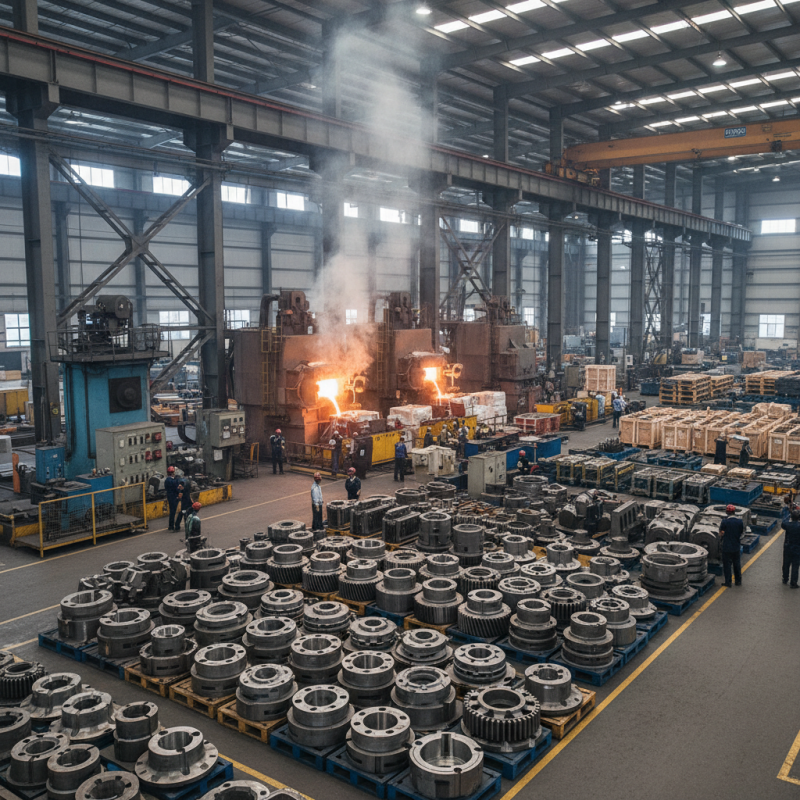
China has become a global hub for carbon alloy castings. Numerous factories specialize in this field, offering diverse capabilities and services. These manufacturers produce high-quality Alloy Steel Castings, crucial for various industries. The factories boast modern equipment and experienced staff, ensuring precision and efficiency in production.
Leading carbon alloy casting factories often emphasize their expertise. Many have years of experience, which enhances their credibility. They focus on the quality of raw materials and follow strict quality control processes. This dedication often leads to impressive production capabilities. However, some factories may struggle with consistency in their output, which can adversely affect clients' projects.
When considering factory options, it's essential to evaluate their certifications and expertise. Reliable factories highlight their successful partnerships and projects. Reviews from previous clients can provide insight into their performance and reliability. Transparency in operations is another significant factor. Overall, exploring various factories and their offerings can lead to better choices for carbon alloy castings.
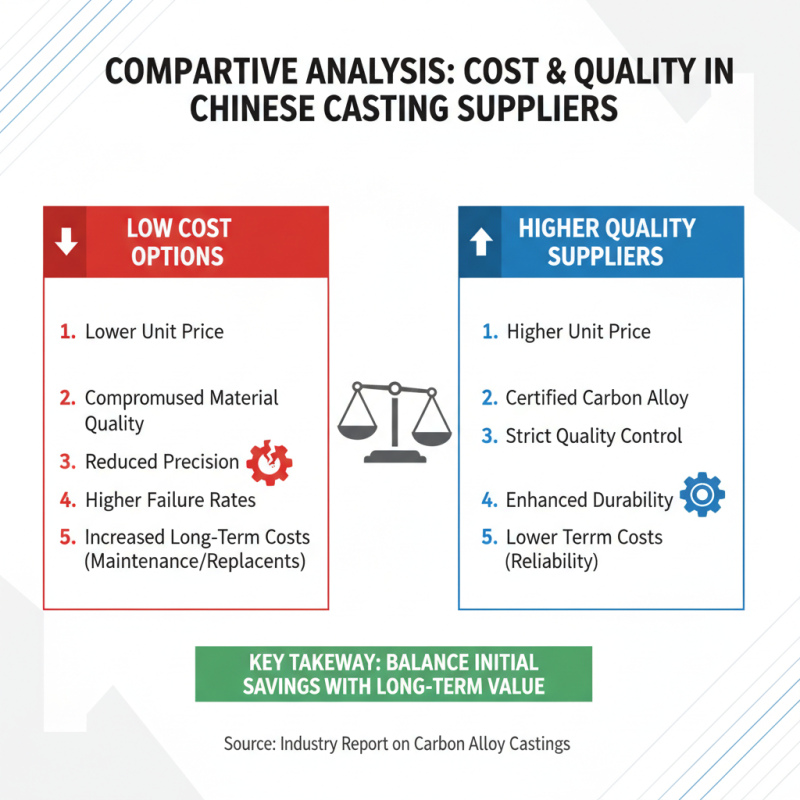
When exploring options for carbon alloy castings in China, a comparative analysis reveals varying costs and quality among suppliers. Many manufacturers claim to offer superior products at lower prices. However, the reality is more complex. Low-cost options may compromise on material quality or precision. This can lead to higher long-term expenses due to increased failure rates and maintenance.
Quality assurance is another critical factor in the casting process. Not all factories adhere to the same standards. Some may use outdated technology, affecting the final product's durability. It's vital to review each supplier's certifications and production capabilities. Requesting samples can help in assessing both quality and reliability. Many buyers overlook this step, leading to regrets later in the process.
Overall, balancing cost and quality is essential. Many clients prioritize savings, but this approach can backfire. Investing in a reputable supplier can yield better results. Ultimately, conducting thorough research and evaluations can mitigate risks associated with poor-quality castings. The pursuit of the right balance requires diligence and a willingness to question choices.
China's carbon alloy casting industry has recently seen remarkable technological innovations. Many factories are actively adopting advanced manufacturing techniques. These changes enhance production efficiency and improve product quality significantly. One notable trend is the implementation of automated processes. Automation reduces human error and increases precision in casting.
In addition, the integration of software solutions in production management allows for real-time monitoring. This leads to better resource allocation and waste reduction. Factories are now utilizing data analytics to predict failures and streamline operation. However, concerns arise regarding the training of personnel. As technology advances, continuous education becomes essential. Workers must adapt to new tools and methods.
Low Alloy Steel Castings have emerged as a popular choice for various applications. Their strength and durability make them ideal for demanding environments. However, sourcing quality materials remains a challenge. Ensuring consistency in production while meeting market demands is not straightforward. Companies are still refining their processes to achieve optimal results. As they progress, the balance between innovation and skill development will be crucial for future growth.
The OEM carbon alloy casting sector in China is experiencing significant changes. Technological advancements are pushing boundaries. Automation in manufacturing is gaining speed. This shift leads to enhanced precision and reduced production times.
Factories are investing in smart technologies, integrating AI, and advanced robotics. These innovations may increase efficiency but also raise concerns about job displacement.
Sustainability is another key trend. Businesses are focusing on eco-friendly practices. The demand for High Alloy Steel Castings is rising due to their durability and strength. However, sourcing recyclable materials continues to be a challenge. Companies must evaluate their supply chains thoroughly. They face pressure to balance costs and environmental responsibilities.
Market dynamics are shifting too. There is increased competition from international players. This rivalry prompts local firms to elevate their quality standards. Some factories struggle to adapt quickly. This leads to inconsistencies in production quality. Continuous learning and adaptation are crucial for survival in the evolving landscape. The future of China's OEM carbon alloy casting sector holds promise, yet it requires careful navigation through these emerging trends.
Investment castings play a pivotal role in the railway industry by significantly enhancing the durability and efficiency of railway components. These castings are specifically engineered to meet the demanding operational requirements that railway systems entail. With their excellent wear resistance, investment castings ensure that critical parts can withstand harsh environments and extended use without compromising performance. This durability is essential, as the reliability of railway components directly impacts the safety and efficiency of transportation networks.
Moreover, the use of advanced investment casting technology guarantees tight dimensional tolerances and smooth surface finishes, which facilitate seamless assembly in railway equipment. Such precision is vital in ensuring that all parts fit together correctly and operate smoothly, thereby minimizing downtime and maintenance costs. The smooth surfaces also contribute to the overall efficiency of the components, reducing friction and wear during operation. By prioritizing these parameters, investment castings not only enhance the longevity of railway parts but also promote overall operational efficiency, making them an integral element in the optimization of railway performance.
: Look for precision capabilities, custom designs, and advanced casting techniques. Quality assurance is crucial too.
Modern technology enhances precision and reduces errors. Automated processes can improve product yield by about 15%.
Quality certifications, like ISO, indicate a manufacturer's commitment to excellence. Not every manufacturer meets these standards.
Compare costs and quality closely. Cheap options may reduce quality, leading to higher long-term expenses.
Review certifications, production capabilities, and request samples. Many buyers fail to do this, which can cause future regrets.
Key trends include increased automation, a focus on sustainability, and heightened competition from international firms.
Yes, many businesses aim for eco-friendly practices. Sourcing recyclable materials is challenging but necessary.
Increased competition forces local firms to improve quality. Some struggle to keep pace, leading to inconsistencies.
Buyers should beware of inconsistencies in quality and delivery. Conducting thorough research is essential for informed choices.
Automation may enhance efficiency but could also result in job displacement. Adaptation and learning are vital for survival.
The article "Top China OEM Carbon Alloy Castings Factory Options You Should Know" explores the dynamic landscape of carbon alloy castings within China's OEM market. It begins with a clear understanding of carbon alloy castings, outlining their pivotal role in various industries due to their enhanced properties such as strength and durability. The discussion moves on to key features that distinguish top manufacturers in this sector, emphasizing the importance of selecting the right OEM factory based on specific criteria such as production capacity, technological advancement, and quality assurance.
Furthermore, the piece provides an overview of leading carbon alloy casting factories in China, along with a comparative analysis of cost and quality among different suppliers. A significant focus is placed on the technological innovations driving the industry forward, highlighting how these advancements are shaping future trends that will impact the OEM carbon alloy casting sector. Overall, the article serves as a comprehensive guide for businesses seeking reliable options in the competitive landscape of carbon alloy castings in China.